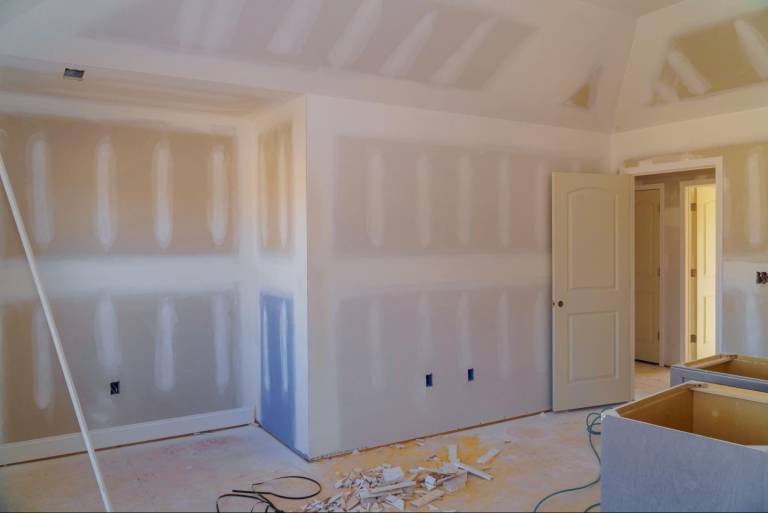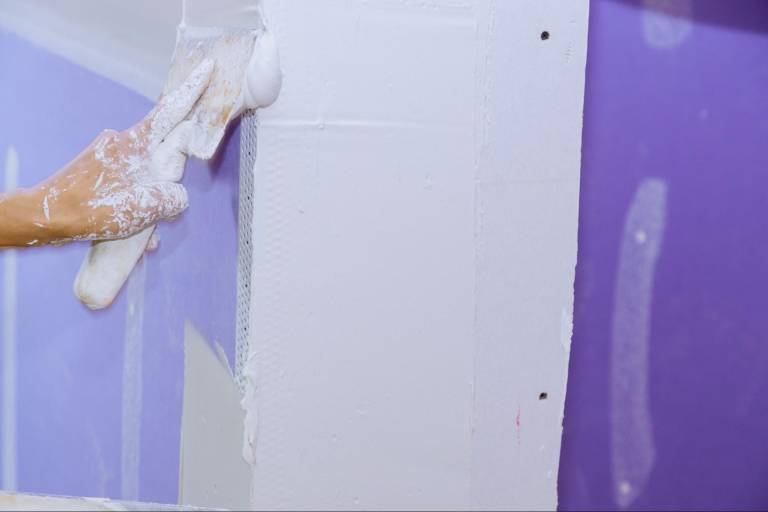
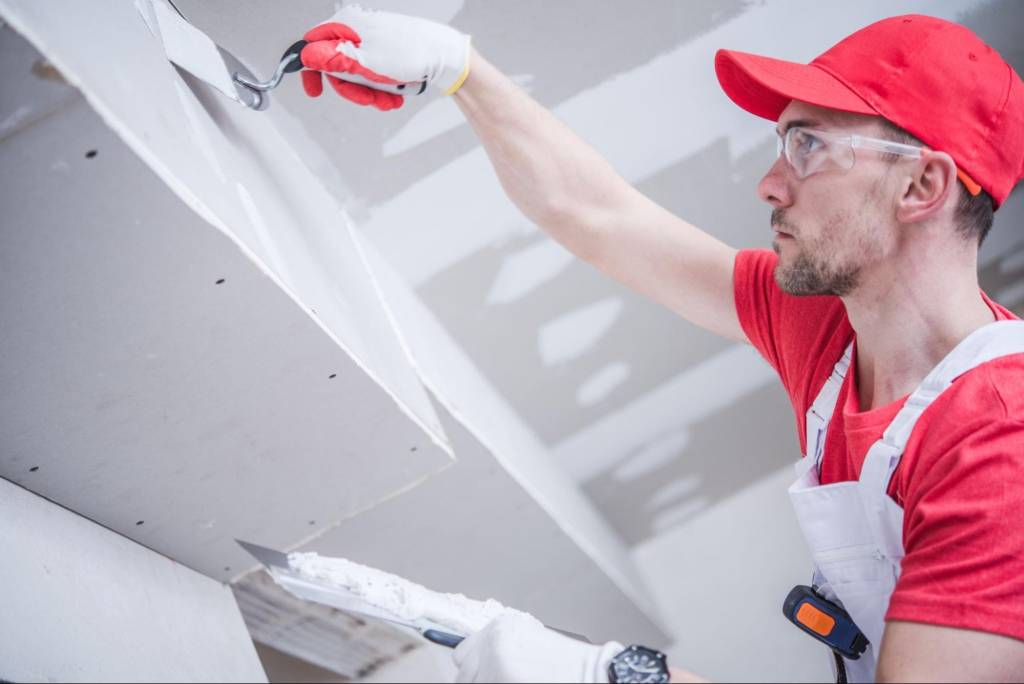
A bad drywall job isn’t always obvious the day the work is finished. Fresh paint, bright lighting, or newly completed renovations can hide imperfections that only become noticeable weeks or even months later. As joint compound cures and lighting changes throughout the day, flaws that once seemed minor can suddenly stand out across walls and ceilings.
Fortunately, poor workmanship usually leaves clues long before serious repairs become necessary. Learning what to look for can help you evaluate completed work more confidently, whether you’re finishing a remodeling project yourself or reviewing a contractor’s work. Companies like Top Tier Repair Services understand that quality drywall finishing isn’t measured by how quickly the job is completed; it’s measured by how invisible the finished seams become once the room is painted.
Good Drywall Should Almost Disappear After Painting
One of the easiest ways to evaluate drywall is to ask yourself a simple question: can you tell where one sheet ends and another begins?
When drywall is installed correctly, the joints blend into the surrounding wall so naturally that they virtually disappear after primer and paint. Light should travel across the surface without highlighting ridges, depressions, or obvious transitions between panels.
If your eyes immediately focus on seams rather than the room itself, that often indicates poor drywall finishing rather than normal material characteristics. While no wall is absolutely perfect, noticeable defects shouldn’t become the room’s most visible feature.
Natural Light Often Reveals Problems That Artificial Lighting Hides
Many drywall imperfections only become noticeable during certain times of day. Morning or afternoon sunlight entering through windows creates low-angle lighting that exaggerates even small surface variations.
Professional drywall finishers often inspect completed work using portable work lights positioned nearly parallel to the wall. This technique, commonly called “critical lighting,” helps expose imperfections that overhead lighting may conceal.
If seams suddenly become visible whenever sunlight enters the room, the issue often involves finishing quality rather than the paint itself.
Lighting Conditions That Make Defects Easier to See
Drywall flaws commonly appear under:
- Morning sunlight through windows.
- Evening sunlight at low angles.
- Bright LED wall washers.
- Recessed lighting positioned close to walls.
- Portable inspection lights during renovations.
Evaluating walls under multiple lighting conditions provides a much better picture of the overall finish quality.
Visible Drywall Seams Should Raise Questions
Perhaps the most recognizable sign of a bad drywall job is visible seams after painting.
Visible seams usually develop because the joint compound wasn’t feathered widely enough, the tape wasn’t properly embedded, or too little compound was applied during finishing. Instead of creating a gradual transition, the joint remains slightly raised or recessed compared to the surrounding drywall.
What Visible Drywall Seams Often Look Like
The most common signs include:
- Straight lines running between drywall panels.
- Raised ridges you can see across the wall.
- Depressions that catch shadows.
- Tape outlines showing through paint.
- Slight humps that become obvious in sunlight.
These issues don’t always indicate structural problems, but they do suggest shortcomings in the finishing process.
Uneven Wall Texture Is More Than a Cosmetic Issue
Texture should appear intentional and consistent across the entire surface. Whether the wall has a smooth finish or decorative texture, abrupt changes often indicate inconsistent workmanship.
An uneven wall texture may occur when repairs are blended poorly into surrounding areas or when different finishing techniques are used throughout the same room. Sometimes heavy sanding creates smooth patches next to textured surfaces, while excessive joint compound creates thicker areas that reflect light differently.
Matching existing textures requires patience and practice. Even experienced finishers often test application methods before completing highly visible repairs to ensure new work blends naturally with older surfaces.
Nail Pops and Cracks Often Tell a Bigger Story
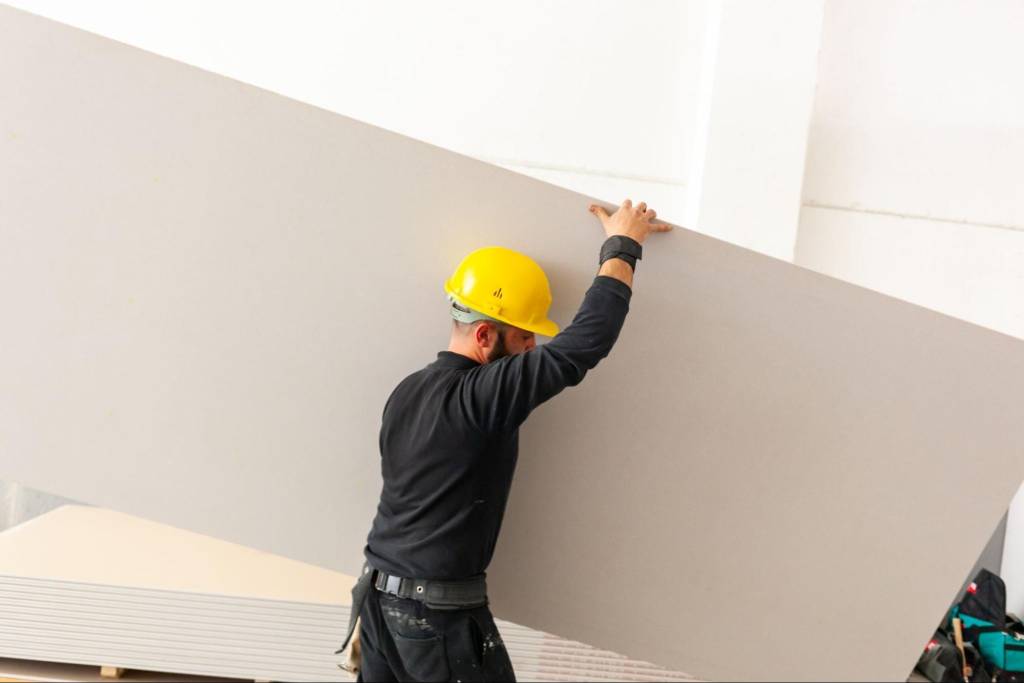
Not every crack means the drywall installation failed. Buildings naturally expand, contract, and settle over time. However, certain types of cracks warrant closer attention because they may indicate underlying installation problems.
One of the most common concerns involves nail pops and cracks. Nail pops occur when fasteners gradually work their way toward the surface, creating small circular bumps or breaking through the paint.
Hairline cracks along seams can also develop if tape wasn’t properly embedded or if movement exceeds what the joint can absorb. While isolated imperfections are not unusual, repeated cracking throughout multiple rooms may warrant a more thorough inspection.
Drywall Installation Mistakes Often Begin Before Finishing Starts
Many finishing defects actually originate during drywall installation rather than during taping or sanding.
Panels that aren’t properly aligned, fasteners that are driven too deep, oversized gaps between sheets, or framing irregularities all create challenges for whoever finishes the drywall later. Even the best finishing techniques have limits when the underlying installation contains significant problems.
Because of this, evaluating the finished surface involves looking beyond cosmetic appearance alone. Understanding how installation quality affects finishing helps explain why some repairs keep recurring even after they have been patched multiple times.
Not Every Imperfection Requires Major Repairs
Finding a flaw doesn’t automatically mean the entire wall needs to be replaced. Some issues are relatively minor and can often be corrected through localized repairs, while others may require more extensive refinishing.
The key is to identify problems early, before repeated painting, additional movement, or exposure to moisture makes repairs more complicated. Small imperfections are generally easier and less expensive to correct than widespread finishing failures.
Repairs Should Blend Into the Existing Wall
A properly repaired section shouldn’t immediately draw attention after painting. While no repair becomes literally invisible under every lighting condition, it should blend naturally with the surrounding surface in both texture and appearance.
Large patches that remain obvious after finishing may indicate poor feathering, mismatched texture, or inadequate preparation before painting. In many cases, the repair itself isn’t the problem; the surrounding transition simply wasn’t extended far enough to create a gradual blend.
This is particularly important in highly visible areas such as living rooms, hallways, staircases, and rooms with large windows where natural light highlights even subtle variations.
A Final Inspection Can Prevent Future Frustration
Before considering a drywall project complete, it’s worth taking a little time to carefully inspect the finished work. Looking at the walls from several angles often reveals details that aren’t immediately obvious during a quick walkthrough.
Rather than focusing on one small area, evaluate the room as a whole. Consistency is often a better indicator of quality than perfection in any single location.
What to Check During a Walkthrough
Take a few minutes to inspect:
- Seams under natural daylight.
- Corners from floor to ceiling.
- Areas surrounding windows and doors.
- Ceiling joints under overhead lighting.
- Wall surfaces viewed from different angles.
- Texture consistency throughout the room.
A careful inspection before furniture is moved back into place makes it much easier to identify concerns while the project is still fresh.
Good Drywall Work Looks Effortless
One of the best compliments a drywall finisher can receive is that nobody notices the drywall at all.
When finishing is done correctly, walls create a clean backdrop for paint, trim, cabinets, artwork, and lighting. Instead of drawing attention to seams or repairs, the drywall quietly supports every other design element in the room.
That’s why experienced finishers spend so much time preparing, feathering, sanding, and inspecting their work. The goal isn’t simply to finish drywall; it’s to create surfaces that disappear once the room is complete.
Schedule Professional Drywall Repairs Before Small Problems Grow
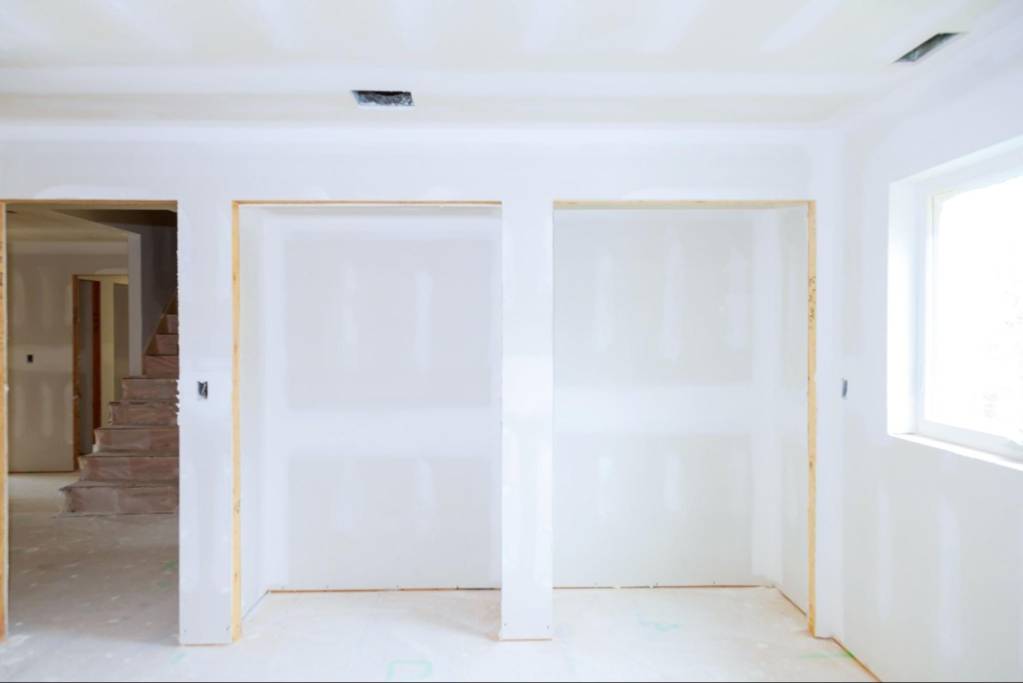
Minor drywall imperfections can often be corrected before they become larger repairs. Whether you’ve noticed visible seams, uneven texture, recurring cracks, or other signs of a bad drywall job, addressing the problem early is usually the most practical approach.
Top Tier Repair Services provides professional drywall finishing and repair services designed to deliver smooth, consistent results. If you’re unsure whether your walls need simple touch-ups or more extensive refinishing, contact the team today to discuss your project and learn about the repair options available to you.
Continue Planning Your Next Drywall Project
Knowing how to identify quality workmanship is only part of the decision-making process. Next, read How Much Does It Cost to Drywall a Room or House in 2026? to learn what influences project pricing, material costs, labor expenses, and the factors that affect drywall estimates for projects of every size.